
Ticketing Industry
License To Ticket
The ticketing industry has been under a microscope over the last year or so.
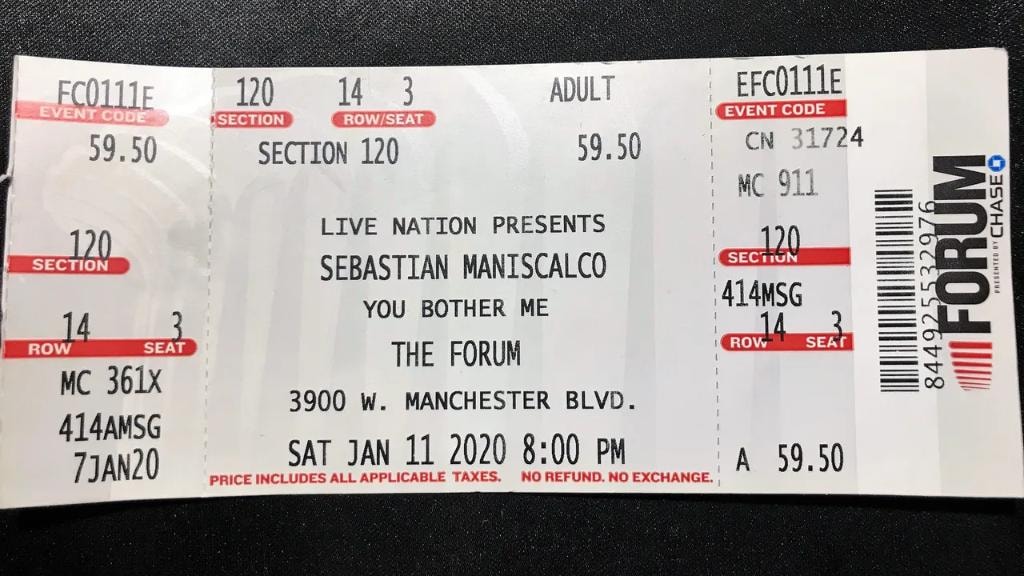
The ticketing industry has been under a microscope over the last year or so. High profile onsales from artists such as Bruce Springsteen, Taylor Swift and The Cure have come under fire for a variety of issues ranging from low inventory to high prices, to technical difficulties. As a result, there has been an increase in the amount of discourse regarding ticketing in non-trade publications and social media. This in turn, has caught the eye of various politicians who have decided to introduce pieces of legislature to regulate the ticketing industry. Here in California where I reside, a bill has passed the state senate that, among other things, will limit the ability for venues to enter into exclusive license agreements with ticketing platforms. The bill is being presented as a bulwark against high ticket prices and “fairness”, but the reality, in my opinion, is that this bill, and other bills like it around the country, are being drafted as retaliation against one vendor (Ticketmaster) because too many influential people were unable to acquire tickets and are now pressuring politicians to “do something”.
So what exactly is an exclusive licensing agreement and why is it important?
Exclusive licensing agreements refer to contracts between ticketing platforms and event organizers that grant the platform exclusive rights to sell tickets for a specific venue or event. In other words, if a promoter wants to book a show at a venue, they are required to use the ticketing system that is contracted to the venue. This is no different than airlines or hotels or retail establishments, when you conduct business with these companies, you are bound by the point-of-sale technology that those companies that have agreements with.
Detractors of exclusive licensing agreements like to focus on topics like, lack of competition, pricing, and monopolies, without taking a deep dive into them. (CliffsNotes answers: There has never been more competition in the ticketing industry. Prices are not set by ticketing companies, they are set by the acts/promoters, so direct your ire towards them. Monopolies tend to get completed with monopolistic competition.)
Those who wish to eliminate exclusive licensing agreements also fail to understand the operational challenges that would come from such a situation. Here are six reasons why exclusive licensing agreements need to remain in place:
1. Streamlined ticketing process: Exclusive licensing agreements can simplify the ticketing process for event organizers by allowing them to work with a single platform for all their ticketing needs. This eliminates the need for organizers to negotiate with multiple platforms, manage multiple ticket inventories, or handle complex integrations. Imagine trying to run a venue box office and you had to work with seven different ticketing platforms which would include seven different payment processors, seven different sets of hardware, seven different client reps, etc.?
2. Enhanced marketing and promotion: When a ticketing platform secures exclusive rights to sell tickets for an event, it often invests in marketing and promotion to maximize ticket sales. This can include targeted advertising, partnerships, and strategic campaigns. The platform's dedicated efforts can increase the visibility and awareness of the event, attracting a larger audience and potentially boosting ticket sales. Providing tools such as an email platform, marketing dashboards for tracking and reporting are also not uncommon. This is over and above what the venue and the promoter is doing in terms of marketing, generally for free or at a reduced cost.
3. Consistent user experience: Utilizing the same ticketing platform for all events leads to a consistent user experience across ticket purchases for a specific venue. Users who are familiar with a specific ticketing platform may appreciate the convenience and ease of using the same platform for multiple events. This familiarity can result in a smoother ticket-buying process, reducing confusion and enhancing customer satisfaction.
4. Increased investment in technology: Exclusive agreements can incentivize ticketing platforms to invest in advanced technology solutions and infrastructure. These investments can lead to improved ticketing systems, enhanced security measures, better mobile apps, and more reliable customer support. Ultimately, the technological advancements driven by exclusive agreements can benefit both event organizers and ticket buyers by providing a more efficient and user-friendly ticketing experience.
5. Revenue sharing opportunities : In many cases, exclusive licensing agreements include revenue-sharing provisions that benefit venues and/or event organizers. By granting exclusive rights to a ticketing platform, venues can negotiate a rebate structure from the ticketing platform. These rebates generally come from service fees. These rebates provide venues with a guaranteed revenue stream for each in every event. This is even more important in an age where artists are commanding more and more of the gross ticket sales.
6. Centralized data and analytics: In 2023, data is a form of currency. Ticketing platforms often collect and analyze data on ticket sales, customer demographics, and purchasing behavior. By working exclusively with a platform, venues and/or event organizers can gain insights into their audience, make data-driven decisions, and improve future event planning and marketing strategies. Having to operate multiple ticket platforms makes managing ticket buyer data more difficult.
If exclusive licensing agreements become prohibited, I can foresee a time in the not-so-distant future where venues will not ticket the events in their own venues that do not use their preferred platform. In this case, the promoter or the artist will need to ticket the tour themselves. The Live Nations and AEGs of the world will probably be able to pivot and handle this type of situation, but they will inevitably utilize their own ticket systems, which is one of the reasons given why there needs to be legislation in the first place.
Taking to a further extreme, I can see where larger tour promotors will make different ticketing platforms bid against themselves to gain access to the big shows/tour. Depending on the interpretation of the law, I can also see promoters making different ticketing platforms bid against themselves to get the best seats to the same show. This will almost certainly increase prices, which, again, is one of the reasons given for the need to have legislation.
Artists are also put in a tough spot if exclusive license agreements are banned. Many bands/management companies don't want to, or have the capacity to, deal with the nuances of ticketing their own tour. But I'm sure there will be a few artists that will. In that case, they will need to cut in the promoters and venues on service fees, reduce their guarantee, or pay much higher rent to be able to book venues. Or maybe a combination of the three of these. With this being the case, how many artists do you think want to handle their own ticketing?
Live event ticketing is certainly a strange business that is in need of some targeted reforms, that probably should be coming from a Federal level so it’s the same across the country. A mish-mash of hastily drafted legislation from different states is going to put those states at a competitive disadvantage.